2025 Year in Review + Looking Ahead
It’s no understatement to say that 2025 was a challenging year. With so much unfolding globally and locally, many people in Los Angeles have spent most of the last 11 months simply in survival mode. In these conditions, it’s completely understandable that focusing on climate action has often felt difficult.
And yet, the climate crisis continues to shape every aspect of our lives. At the Los Angeles Arts Climate Coalition, we remain committed to promoting environmentally positive action within the creative community. While our sector may not be the largest contributor to climate change, arts and culture hold immense power to influence mindsets, behaviors, and broader systems.
This year, our focus has been on elevating climate action success stories, sharing real examples that inspire, inform, and encourage deeper engagement. Below is a snapshot of our programming over the past year. Our sincere thanks to everyone who contributed, attended, and helped make these events possible.
March
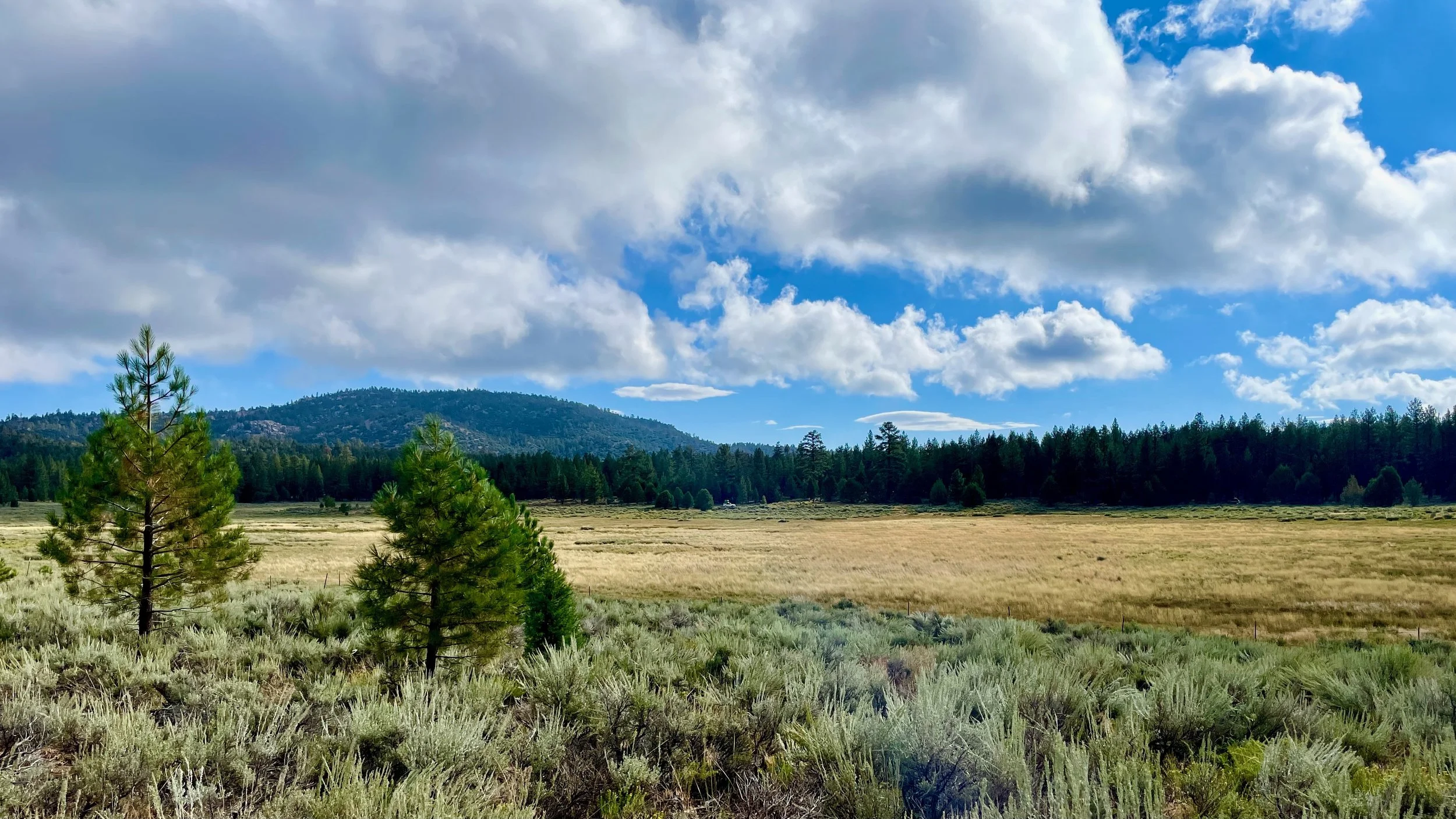
In the wake of the devastating fires, Alex Wuo of STUDIOpractice Architects delivered an informative virtual presentation on wildfire-resilient architecture. Using a recent residential project in Big Bear as a case study, Alex shared practical strategies related to building design, materials, and landscaping.
April
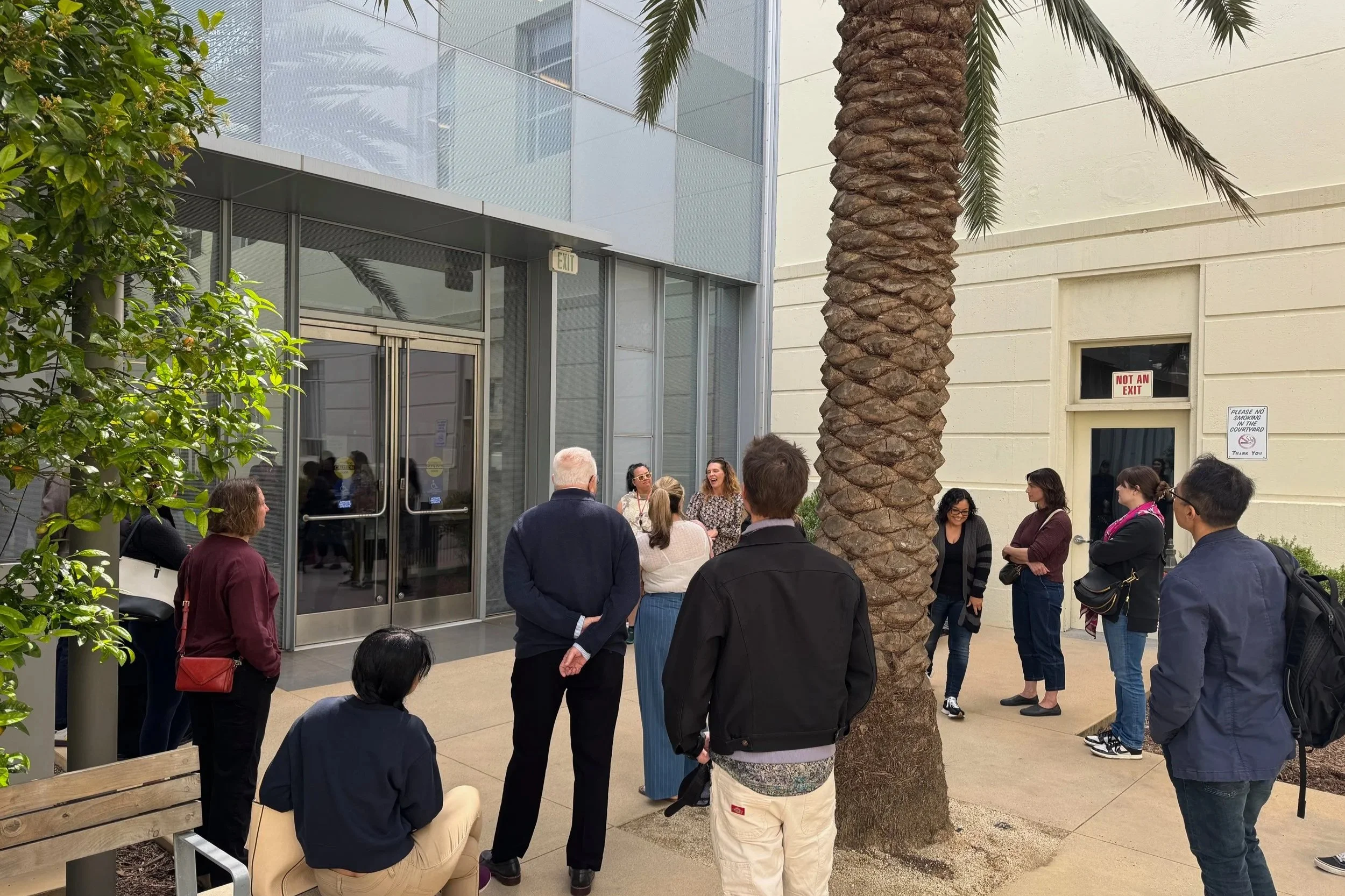
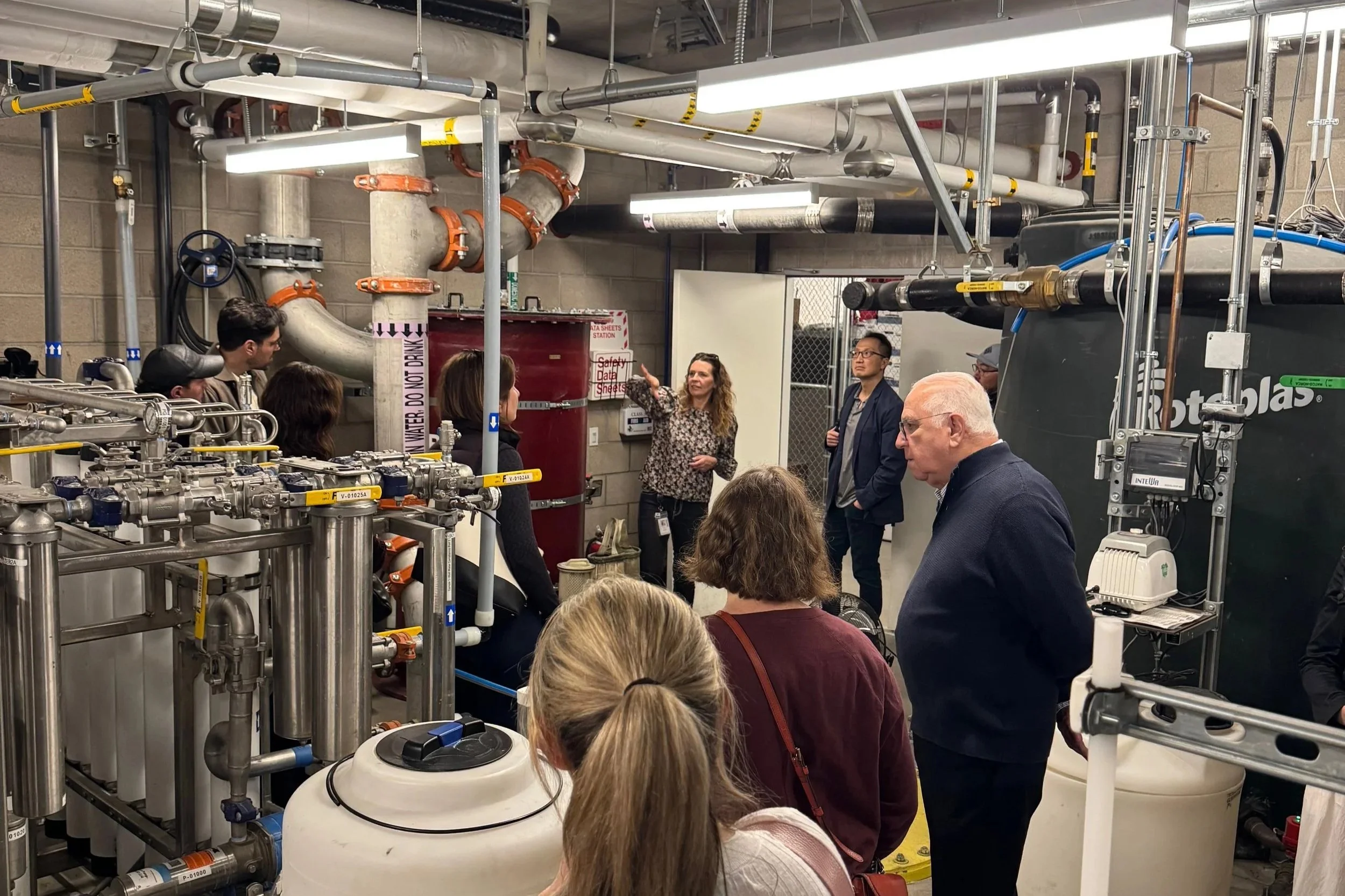
We organized our second guided tour of the Santa Monica City Hall East Building, the first municipal building to achieve Living Building Challenge certification as a Net Zero Water and Net Zero Energy structure. Artists, curators, gallery professionals, architects, engineers, and climate lawyers joined us for this inspiring visit.
October
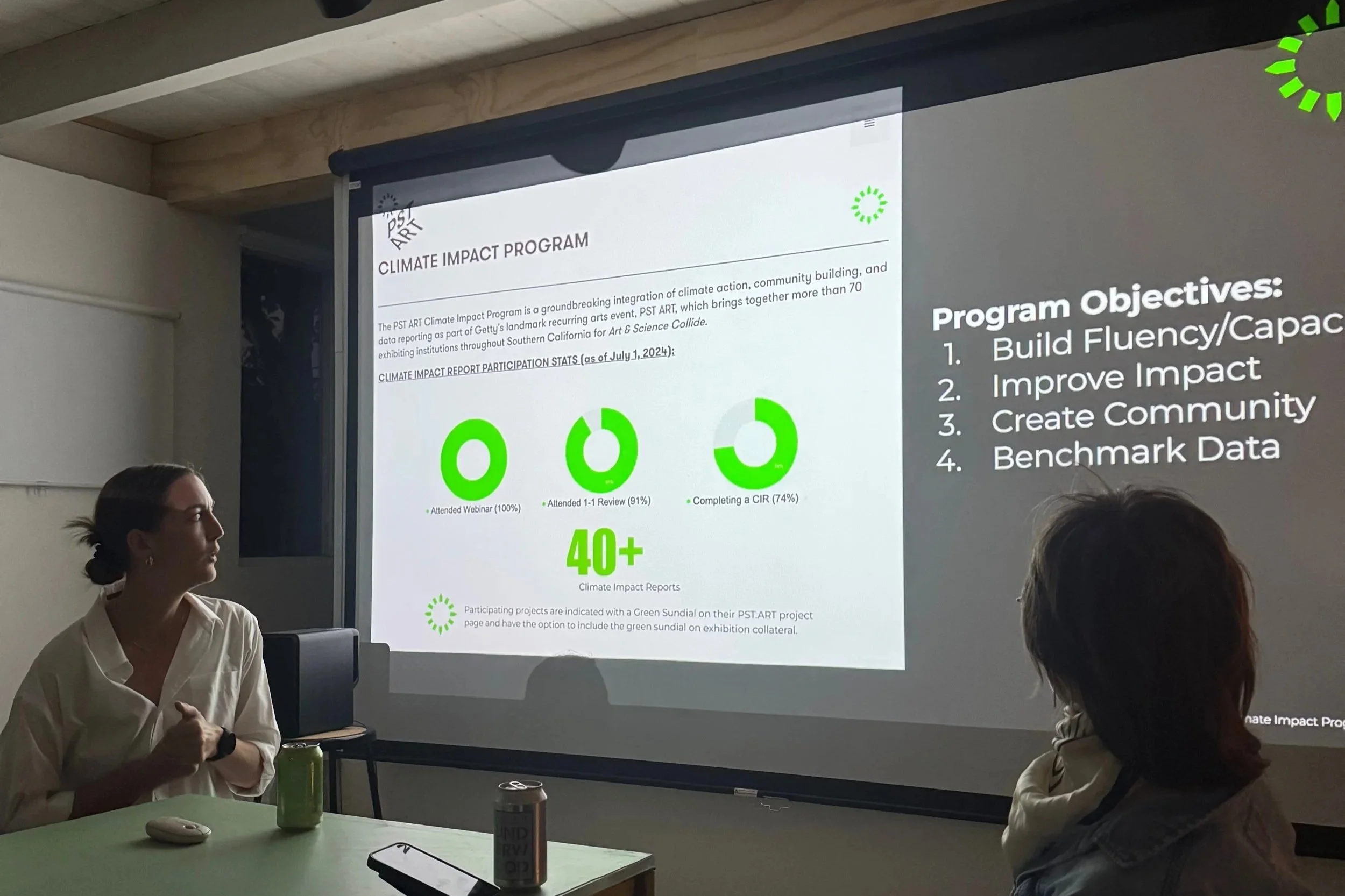
At SPEEDBOAT Architecture Studio, LAACC presented Climate/Culture: How Are Cultural Institutions Taking Climate Action?. Co-directors of the Getty PST Art Climate Impact Program, Laura Lupton (CEO, LHL Consulting) and Debra Scacco (Artist), shared key findings from the initiative, which engaged over 40 Southern California cultural institutions. The session highlighted meaningful reductions in waste, shifts in institutional mindsets, and—perhaps most powerfully—how the program’s community mobilized to support those affected by the fires. The Getty has since published a compelling report on this work. Read here
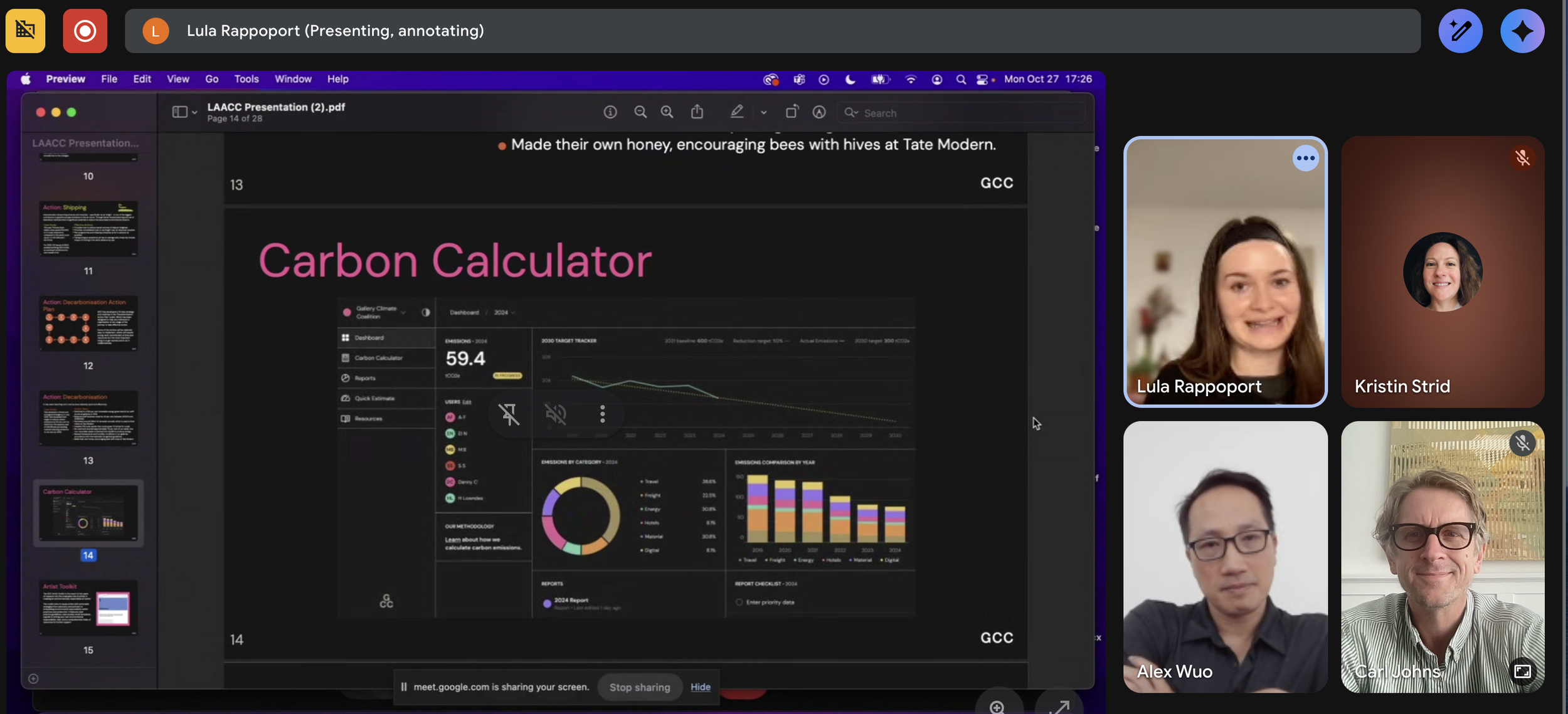
Later in the month, we hosted a virtual session titled Gallery Climate Coalition: New Initiatives and Resources. GCC Community Coordinator, Lula Rappaport, walked us through significant updates to the GCC Carbon Calculator, new initiatives such as 10% Of at Frieze London, and the organization’s Best Practice Guidelines.
GCC also recently released its Stocktake Report, a comprehensive assessment of climate action progress across the visual arts sector. Drawing on six years of Carbon Calculator data, qualitative insights, and sector-wide engagement, the report examines emissions trends, reduction pathways, behavioral shifts, and leading case studies. It also identifies persistent barriers, signs of emerging tipping points, and actionable recommendations for accelerating collective impact. Read here
November
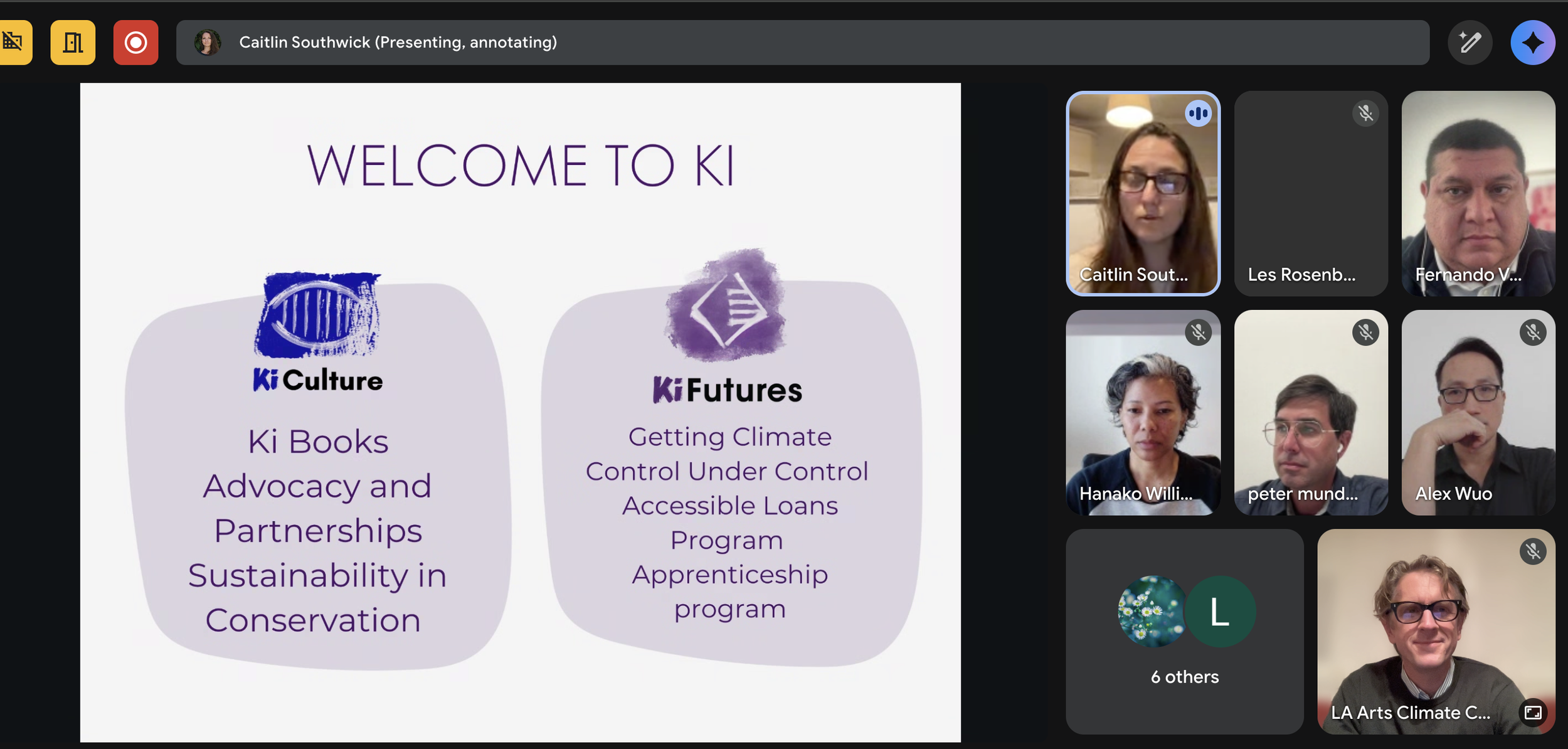
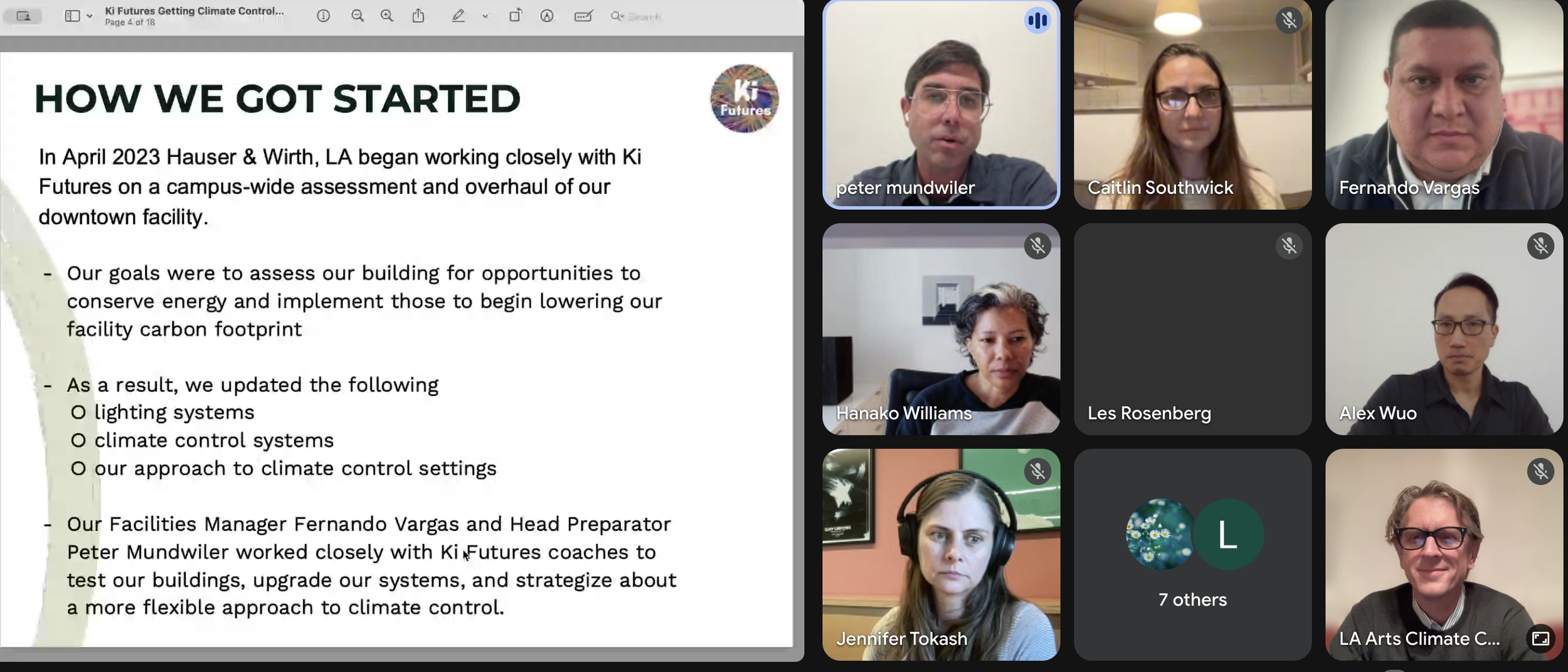
We concluded the year with a virtual presentation and Q&A, Getting Climate Control Under Control. Caitlin Southwick, Founder and Managing Director of Ki Futures, traced the evolution of environmental standards in collections care, shared shifting perspectives among conservators, and highlighted how Ki Futures supports institutions worldwide in adopting more sustainable practices. Following this, Peter Mundwiler, Exhibitions Manager, and Fernando Vargas, Facilities Manager at Hauser & Wirth Los Angeles, presented a case study on their collaboration with Ki Futures—demonstrating reduced energy consumption, improved system efficiency, and a more nuanced, data-driven approach to climate control.
We are currently developing our programming for 2026 and will be sharing more details in the new year. If you have ideas, we would love to hear from you. We also encourage anyone interested in climate action—whether you’re just beginning or looking to deepen existing efforts—to reach out for conversation, support, and practical advice on how to make your work more environmentally responsible. We need all the help we can get, and we welcome collaborators from across the creative community. Please don’t hesitate to contact us at hello@la-acc.org.
